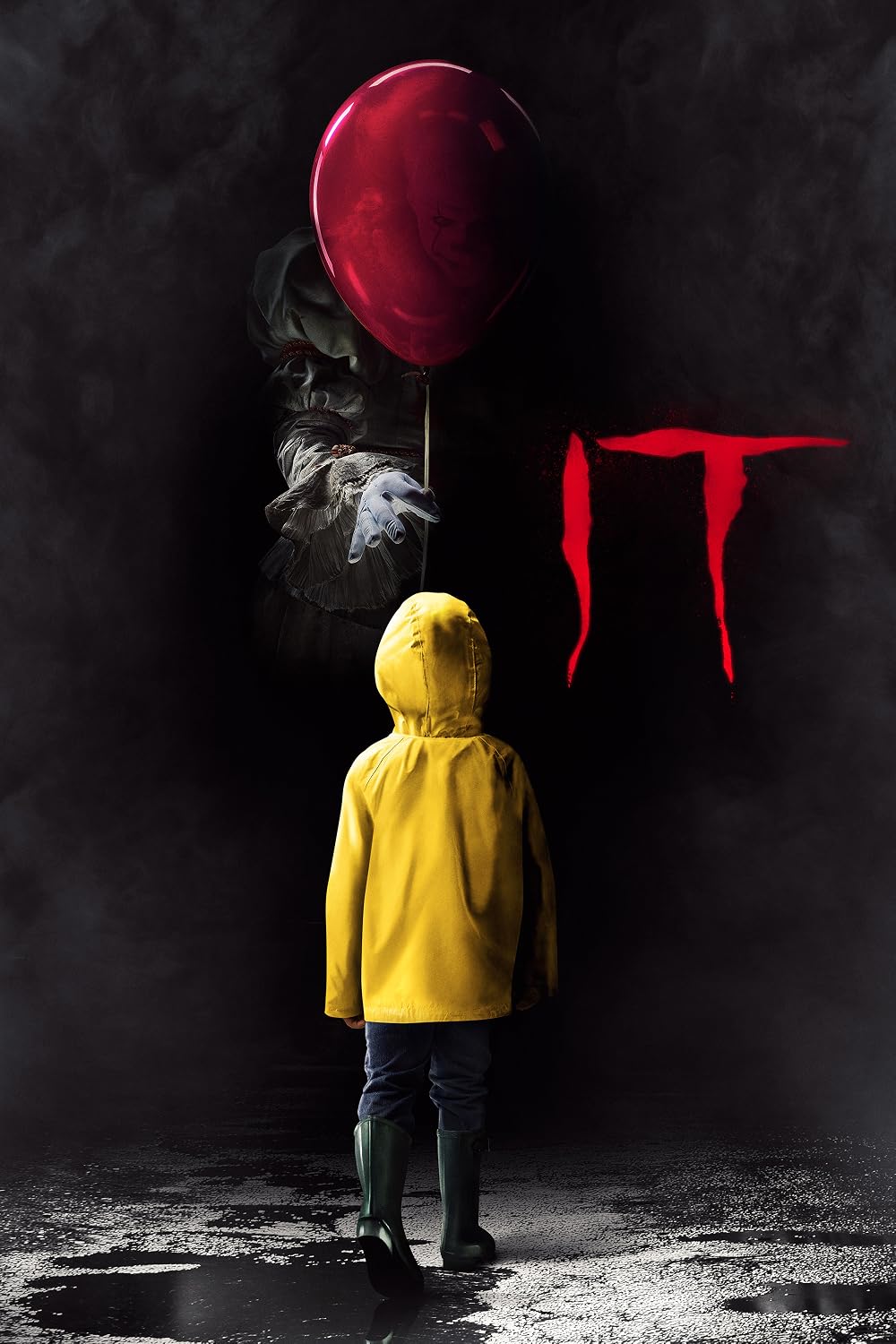



Derry, Maine, 1988. Bill Denbrough's little brother Georgie sails a paper boat into a storm drain and meets Pennywise the Dancing Clown. What happens next is the most famous horror opening of the modern era. Months later, in the summer of 1989, Bill and six other bullied, broken kids - the self-named Losers' Club - start noticing something wrong with their town. Kids keep disappearing. And every one of them keeps seeing the same clown, wearing their own worst fear like a costume.
Director Andy Muschietti splits the giant Stephen King novel in two, and this first film covers the childhood half. That turns out to be its greatest strength. Yes, the scares are constant and often brutal, but the real engine of the movie is the friendship between seven young actors who feel like actual kids. Finn Wolfhard's filthy-mouthed Richie, Sophia Lillis' fierce Beverly, Jack Dylan Grazer's hypochondriac Eddie - every member of the club gets a moment to be human before Pennywise comes for them.
And what a Pennywise. Bill Skarsgård rebuilds the character from the ground up, dropping the chatty charm of the 1990 TV version for something older, hungrier, and wrong. His Pennywise does not act like a clown. He acts like a predator wearing a clown. The result scared a whole new generation away from circuses.
It is not perfect. Some of the digital effects wobble, the jump scares pile up in the middle stretch, and Henry Bowers, the human bully, feels undercooked. But the heart underneath - a story about kids whose only weapon is standing together - is why it became a phenomenon instead of just a hit.


