






At Christian Haute Couture, a fashion house in Rome, a model named Isabella is murdered one stormy night. Soon after, her diary is found, a book that may expose the secrets of everyone who works there. One by one, the models are hunted by a figure in a black fedora, a trench coat and a smooth white mask with no face.
The story is simple, and the characters are thin. But Bava turns every scene into a painting. Rooms glow in deep reds, purples and greens, mannequins stand in the shadows, and the camera glides slowly through the fashion house. The murder scenes are long, cruel and beautiful in a way that shocked audiences in 1964.
The dubbing and some of the acting are stiff, and the police investigation is less interesting than the killings. But the faceless killer is one of horror's most striking images, and Carlo Rustichelli's score adds a cool, jazzy edge.
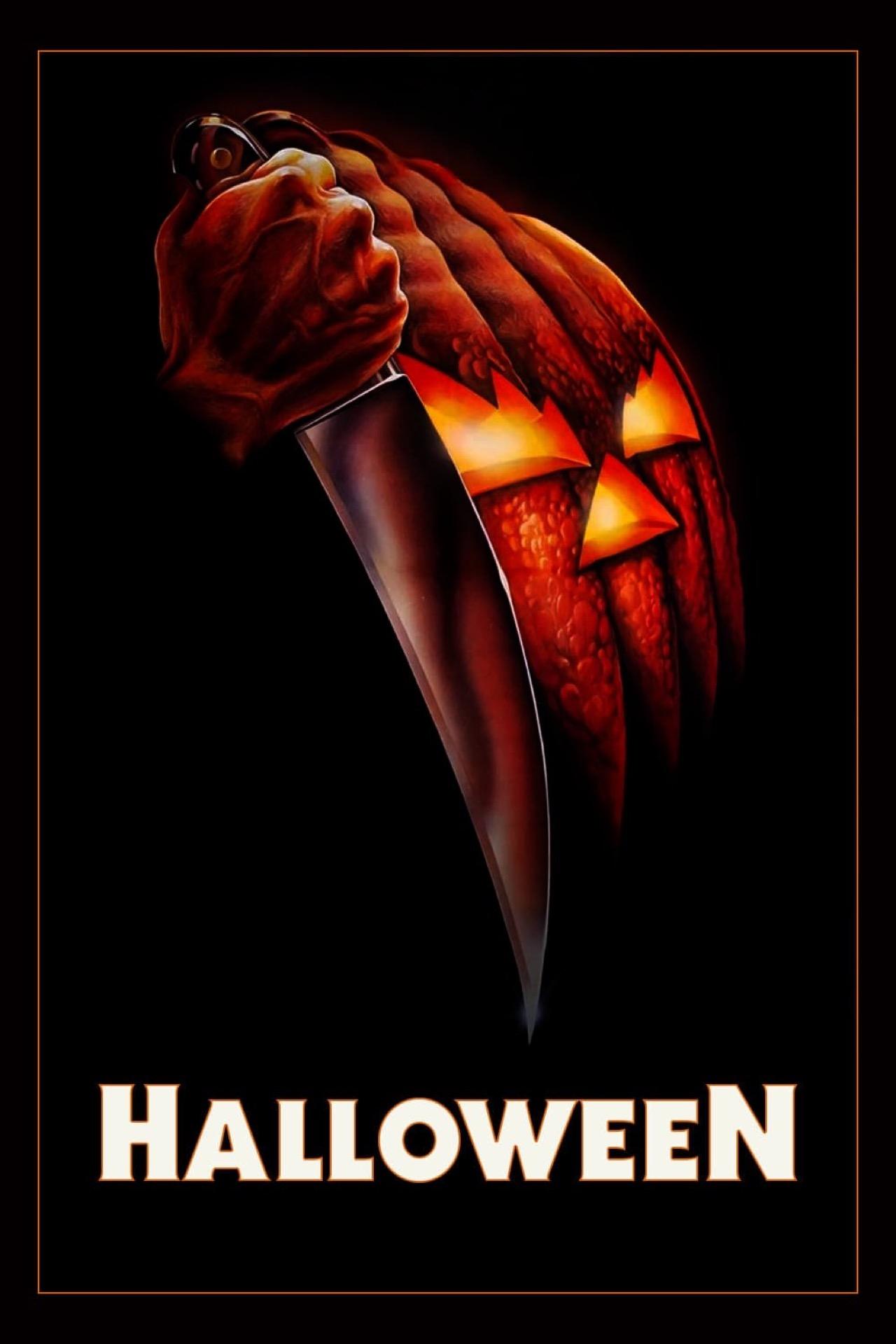
If you love Halloween, Friday the 13th or Dario Argento, this is where much of it started. Blood and Black Lace is a must for classic horror fans.